Dental Crowns in Tacoma WA
Dental Crowns in South Tacoma: Restore Damaged Teeth
What Are Dental Crowns?
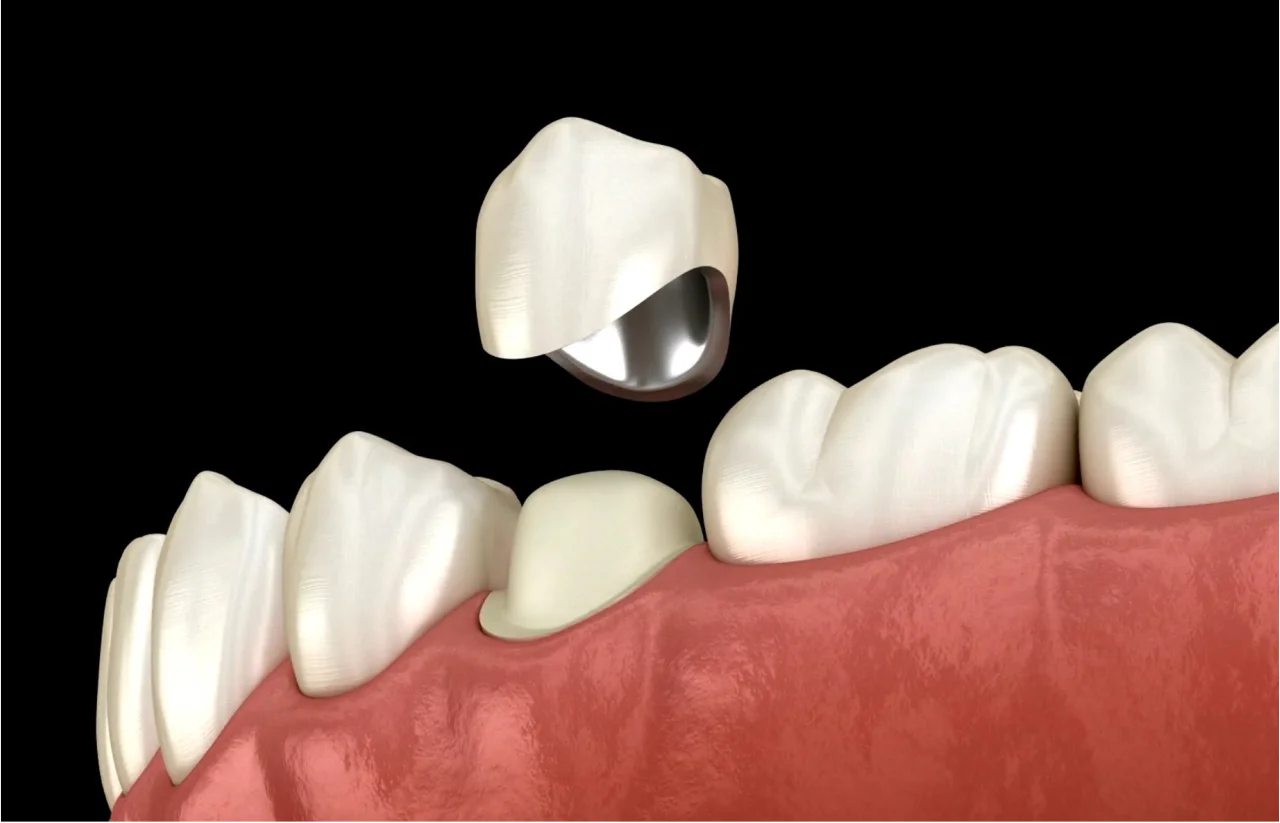
A dental crown is a custom-made cap that covers a damaged tooth completely, restoring its size, shape, strength, and appearance. According to the ADA, crowns protect compromised teeth while blending seamlessly with surrounding teeth.
Crowns are typically needed when a tooth is too damaged for a filling to repair, after root canal treatment to protect brittle tooth structure, for severely cracked or fractured teeth, to replace failed old fillings, or to restore teeth worn down from grinding. Modern crowns use porcelain, ceramic, or zirconia to mimic natural enamel — your dentist selects the right material based on the tooth, your bite forces, and aesthetic goals.
The Dental Crown Process
Types of Dental Crowns
Porcelain and Ceramic Crowns
All-porcelain or ceramic crowns offer the most natural appearance, ideal for front teeth — they reflect light like real enamel and cause no metal sensitivities. Zirconia, a stronger ceramic, works well even for back teeth under heavy chewing forces.
Porcelain-Fused-to-Metal (PFM) Crowns
PFM crowns combine a metal base with a porcelain outer layer, offering strength suitable for back teeth. The metal can occasionally show as a dark line near the gums if they recede over time.
Gold and Metal Alloy Crowns
Extremely durable and ideal for molars not visible when smiling, gold crowns require less tooth removal and wear similarly to natural enamel — some patients prefer their longevity despite the appearance.
Temporary Crowns
While your permanent crown is being made, a temporary acrylic or composite crown protects your prepared tooth — less durable than a permanent crown, so extra care is needed when eating.
Caring for Your Dental Crown
Daily Oral Hygiene
Daily Oral Hygiene: Brush twice daily with fluoride toothpaste, paying extra attention where the crown meets your gum, and floss carefully around it daily — the CDC confirms crowns need the same diligent care as natural teeth.
Protect from Damage: Avoid biting hard objects like ice or hard candy, don't use your teeth to open packages, and wear a nightguard if you grind your teeth at night.
Regular Dental Visits: Attend cleanings every six months so we can monitor your crown's condition and catch problems like loose margins or decay early.
Watch for Problems: Contact us if your crown feels loose, falls off, cracks, or causes pain — most issues are easily fixed when caught early.
How Long Do Crowns Last?
Crowns typically last 10-15 years, with porcelain and ceramic averaging that range and metal crowns often lasting 20+ years due to superior durability. Actual lifespan depends on material, tooth location, bite forces, and how well you care for it.
Crown vs. Other Treatments
Crown vs. Large Filling
Large fillings don't provide the same strength as crowns — teeth with extensive decay or large old fillings are prone to cracking, which crowns prevent by covering and supporting the entire tooth.
Crown vs. Extraction
Saving your natural tooth with a crown is almost always better than extraction and replacement. Natural teeth maintain bone structure, provide better function, and avoid the cost and complexity of implants or bridges.
Crown vs. Veneer
Veneers cover only the front tooth surface and work for cosmetic improvements to otherwise healthy teeth. Crowns cover the entire tooth and are necessary when significant tooth structure is damaged or missing.
Why Choose Davis Dental Group for Dental Crowns in Tacoma?
- Advanced 3D Scanning Technology: Precise imaging for accurate treatment planning.
- Walk-Ins Welcome: Stop by our Tacoma office anytime — no appointment needed.
- Same-Day Consultations: Available when scheduling allows.
- Free Consultations: Expert guidance with no obligation.
- Comprehensive Care in One Location: From consultation to final treatment, all under one roof — no referrals needed
- Experienced Team:Dedicated to your comfort throughout treatment.
Related Services
Family Dentistry - Comprehensive care for all ages, from preventive to restorative services.
Dental Fillings - Repair smaller cavities before they need a crown.
Root Canal Treatment - Save infected teeth, typically requiring a crown afterward.
Dental Cleanings - Regular care to maintain and monitor crowned teeth.
Restore Your Damaged Tooth
Protect and restore your damaged tooth with a quality dental crown at Davis Dental Group. Serving South Tacoma, Graham, Roy, Spanaway, Frederickson, Eatonville, and JBLM families.
Schedule Your Crown Consultation
Call Today for Appointment
Most major PPO insurance accepted.