
Bone Grafting Tacoma WA: What It Is, Who Needs It, and What to Expect
When a patient is told they need a bone graft before getting a dental implant, the first questions are almost always the same.
How long does it take? Will it hurt? Is it really necessary?
At Davis Dental Group, we walk every patient through the process clearly — so there are no surprises about what bone grafting involves or how long healing takes.
Here is a complete, honest guide.
Bone Grafting Tacoma WA: What Is It and Why Is It Needed?
What Does Bone Grafting Actually Do?
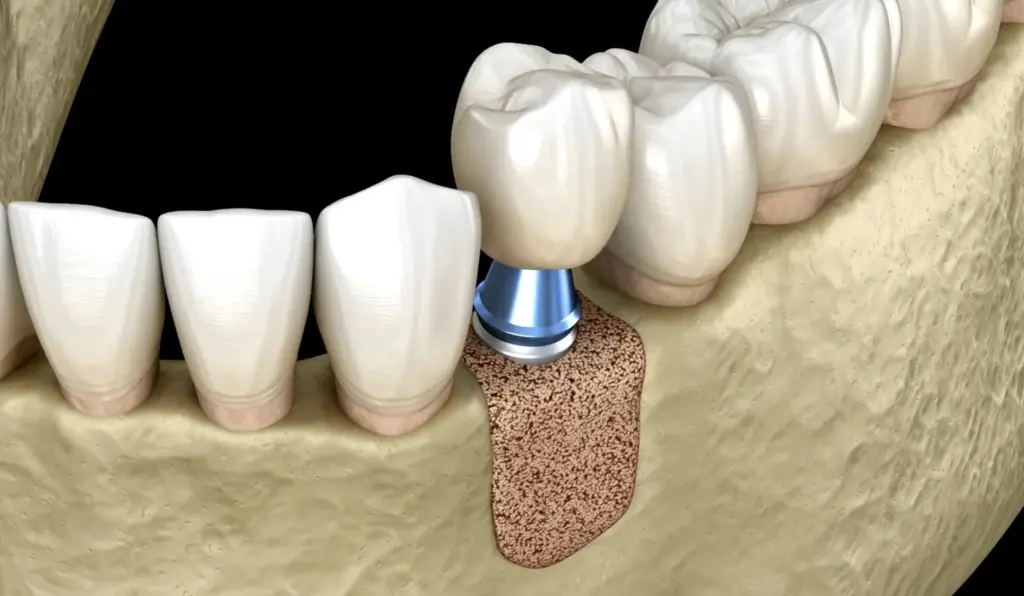
Bone grafting in Tacoma WA is a procedure that rebuilds lost or insufficient bone in the jaw.
When a tooth is lost or extracted, the jawbone beneath it stops receiving stimulation. Without that stimulation, bone begins to shrink — a process called resorption. Gum disease can also cause significant bone loss over time.
A bone graft restores that lost volume by placing graft material into the affected area. Your body gradually integrates this material and new bone tissue grows in its place through a biological process called osseointegration.
This is not a quick process — building new bone takes time. But the result is a stable, healthy foundation for implants or other restorations.
What Are the Benefits of a Dental Bone Graft in Tacoma?
A dental bone graft in Tacoma does more than just prepare you for an implant. Here is what it helps with:
- Rebuilds jaw structure weakened by gum disease, tooth loss, or aging
- Prevents neighboring teeth from shifting into the gap left by a missing tooth
- Preserves facial structure — stopping the sunken appearance that develops after prolonged bone loss
- Makes future treatments possible — implants, bridges, and other restorations all require adequate bone support
- Improves denture fit by creating a stronger, more stable foundation
Bone grafting is not just about replacing bone. It is about restoring your ability to chew, speak, and smile confidently for the long term.
Bone Graft for Implants Tacoma: Who Is a Good Candidate?
Who Needs a Bone Graft for Implants in Tacoma?
A bone graft for implants in Tacoma is recommended when there is not enough bone volume or density to securely anchor an implant post. Without adequate bone, implant integration cannot succeed.
You may be a candidate for bone grafting if you:
- Have been missing a tooth for an extended period
- Have had gum disease that weakened the jawbone
- Need a tooth extraction and want to preserve bone for future implant placement
- Experience discomfort with existing dentures due to bone loss
- Want to prevent further changes to your facial appearance
Age is rarely a limiting factor. As long as overall health is good and there are no active infections, bone grafting is suitable for most adults. We will assess your bone levels using digital X-rays and imaging before making any recommendation.
Jaw Bone Loss Treatment Tacoma: The Healing Timeline
What Does Recovery From Jaw Bone Loss Treatment in Tacoma Look Like?
Jaw bone loss treatment in Tacoma through bone grafting requires patience — but the recovery is more manageable than most patients expect.
Before the procedure The team reviews your X-rays and 3D scans to assess bone loss. You will receive clear instructions about what to avoid before your appointment.
Day of the procedure Local anesthetic is used to keep you comfortable throughout. A small incision is made in the gum to access the area, graft material is placed, and the gum is stitched closed. The entire procedure typically takes 45 to 90 minutes.
First few days Some soreness, swelling, and minor bleeding are normal. Over-the-counter pain relief is usually sufficient. Stick to soft foods, rinse gently with salt water, and avoid smoking or using straws — anything that could disrupt the graft site.
Weeks 2 to 4 Soreness fades. Gum tissue begins to heal around the surgical site. A follow-up visit allows the team to check progress and answer any questions.
Months 3 to 6 Internally, your body is building new bone tissue. Once the graft has healed adequately — confirmed at a follow-up appointment — the team can proceed with implant placement or the next stage of treatment.
The healing timeline varies based on the size of the graft, location in the jaw, overall health, and lifestyle factors like smoking. We will give you a personalized timeline at your consultation.
Sinus Lift: When the Upper Jaw Needs Extra Support
For patients needing implants in the upper back jaw, a sinus lift is sometimes required before or alongside bone grafting.
The sinus cavity sits close to the upper jawbone in this region — leaving limited space for an implant. A sinus lift gently lifts the sinus membrane and places bone graft material beneath it, creating the height needed for successful implant placement.
It is a well-established procedure with high success rates and follows a similar healing timeline to standard bone grafting.
According to the American Academy of Implant Dentistry, dental implants supported by properly grafted bone have clinical success rates exceeding 95%.
We offer comprehensive dental implant services and tooth replacement options for patients across Tacoma, South Tacoma, Spanaway, Parkland, Eatonville, Frederickson, Graham, Roy, and JBLM.
Schedule your bone grafting consultation with Davis Dental Group today or call us at (253) 537-9317.
FAQS
Is bone grafting painful?
A: The procedure is performed under local anesthetic so discomfort during treatment is minimal. Some soreness and swelling in the first few days is normal and manageable with over-the-counter pain relief. Most patients find the recovery far more comfortable than they expected.
How long does a bone graft take to heal?
A: Most bone grafts require 3 to 6 months of healing before an implant can be placed. Larger grafts or multiple treatment sites may take longer. We will give you a personalized timeline at your consultation.
Can I get a bone graft and implant placed at the same time?
A: In some cases yes — when the graft is small and sufficient bone exists to stabilise the implant immediately. In most cases the graft needs time to integrate first. This is assessed on an individual basis after a thorough evaluation.
Do I definitely need a bone graft before getting an implant?
A: Not always. Some patients have sufficient bone to proceed directly to implant placement. A thorough evaluation including digital X-rays determines whether a graft is needed. At Davis Dental Group, a graft is only recommended when it is genuinely necessary for long-term implant success.