


Dental Implants at Davis Dental Group: Is Your Implant Showing Warning Signs?
Dental implants are one of the most reliable procedures in modern dentistry — with a clinical success rate of over 95%. But like any medical treatment, complications can occur.
The difference between saving an implant and losing one almost always comes down to timing. Warning signs are detectable. Problems caught early are manageable. Problems ignored can become irreversible.
At Davis Dental Group, we want every implant patient — whether you received your dental implants at Davis Dental Group or elsewhere — to know exactly what to watch for and when to call us.
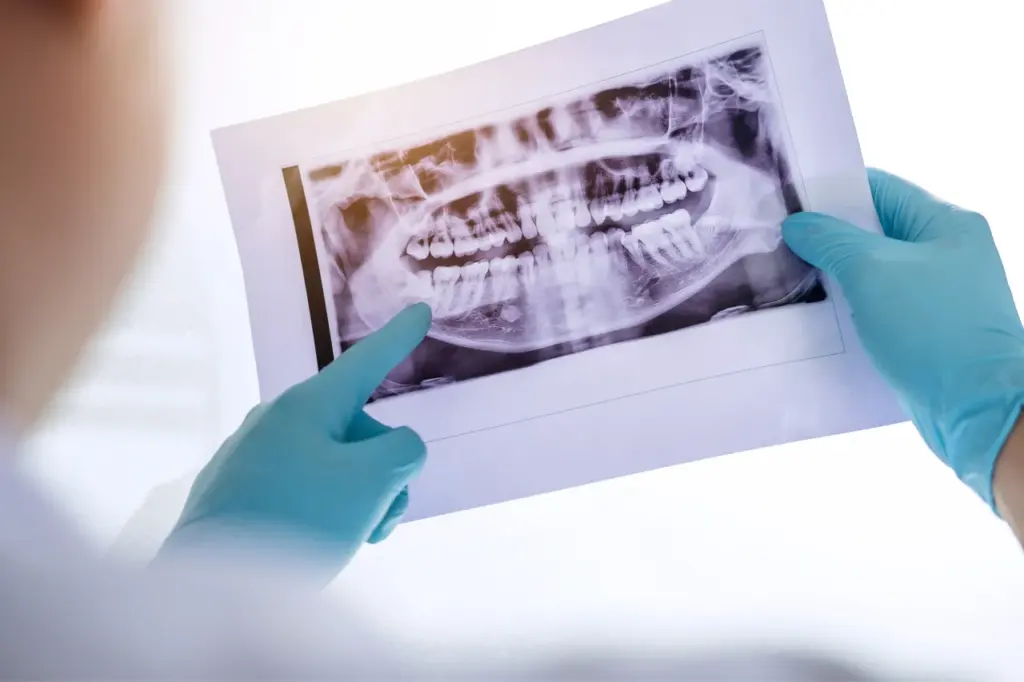
All on 4 Tacoma WA: Understanding Early vs Late Implant Failure
Whether you have a single tooth implant or All-on-4 in Tacoma WA, implant complications fall into two categories — and understanding the difference helps you act at the right time.
Early Failure Early failure occurs in the first three to six months — before or during osseointegration. The implant fails to fuse properly with the bone.
Common causes include:
- Insufficient bone density at the time of placement
- Infection at the surgical site shortly after the procedure
- Loading the implant too early before full integration is complete
- Smoking — which significantly impairs the body’s healing environment
Late Failure Late failure occurs after the implant has successfully integrated — months or even years into function. The implant was stable and then deteriorated over time.
Common causes include:
- Peri-implantitis — bacterial infection that triggers progressive bone loss around the implant
- Bruxism — chronic grinding that places excessive force on the implant and crown
- Loose or fractured prosthetic components putting abnormal stress on the post
- Changes in systemic health such as uncontrolled diabetes affecting bone quality
Both types are addressable when caught early. The worst outcomes happen when warning signs are dismissed or ignored.
When Should You See an Implant Dentist in Tacoma?
What Are the Warning Signs to Tell Your Implant Dentist in Tacoma?
Some discomfort in the first week after implant placement is completely expected. Mild swelling, tenderness, and sensitivity are part of the healing process and resolve with time and anti-inflammatories.
These signs are not normal and warrant a call to your implant dentist in Tacoma right away:
Pain that worsens or persists beyond two weeks Post-operative discomfort should improve steadily after the first few days. Pain that increases after day three, persists beyond two weeks, or reappears months later is not normal healing.
Swelling, redness, or bleeding around the implant Some pinkness immediately after surgery is expected. Persistent or worsening inflammation is not. Bleeding when you brush around the implant is an early sign of peri-implant gingivitis — the first stage of peri-implantitis.
Unusual taste or discharge near the implant site A foul taste localized around an implant can indicate infection. Any visible discharge or pus requires same-day evaluation — do not wait.
A loose or shifting implant The implant post should never move. If your crown feels loose, it may simply be a screw that needs tightening — a quick and easy fix. But if the implant fixture itself moves, that requires immediate evaluation.
Increasing sensitivity or deepening pockets Deepening pockets around the implant — measured during professional cleanings — indicate attachment and bone loss. You will not feel this yourself. Only a professional exam can catch it early.
We serve patients from Tacoma, South Tacoma, Spanaway, Parkland, Eatonville, Frederickson, Graham, Roy, and JBLM — and we will get you seen quickly.
What Happens to Your Dental Crown in Tacoma When an Implant Fails?
How Does Failure Affect Your Dental Crown in Tacoma?
When an implant begins to fail, the dental crown in Tacoma sitting on top of it is directly affected. Here is what treatment looks like at each stage:
Early Stage — Mucositis Inflammation around the implant without bone loss — fully reversible. Treatment involves professional debridement and improved home hygiene. Most patients respond well without further intervention.
Moderate Stage — Peri-Implantitis With Limited Bone Loss Once bacterial infection causes bone loss, treatment becomes more involved. Professional deep cleaning, local antibiotics, and in some cases surgical access are required. The crown may need to be temporarily removed to properly treat the implant below.
Advanced Stage — Significant Bone Loss or Implant Mobility At this stage the implant may need to be removed. Once the site heals, bone grafting can restore volume — and in many cases a new implant can be placed three to six months later with a new crown on top.
The best treatment is always prevention. Attend your regular maintenance appointments and call us the moment something feels off.
According to the American Academy of Implant Dentistry, dental implants have a clinical success rate of over 95% when properly placed and maintained. Routine monitoring is what keeps that number where it is.
We offer comprehensive dental implants and dental crowns services to support your smile at every stage.
Schedule your implant evaluation with Davis Dental Group today or call us at (253) 537-9317.
FAQ’s
How Do I Know If My Dental Implants Davis Dental Group Placed Are Failing?
A: The most common warning signs are persistent pain beyond the normal healing period, swelling or bleeding around the implant, a loose crown or implant post, unusual taste or discharge, and increasing sensitivity. If you notice any of these, call Davis Dental Group right away.
Can a Failed Dental Implant Be Replaced?
A: In many cases yes. After a failed implant is removed and the site heals, bone grafting can restore the area. A new implant can often be placed three to six months later. The earlier the complication is caught, the more options are available.
Does All on 4 Tacoma WA Fail at the Same Rate as Single Tooth Implants?
A: All-on-4 uses the same titanium implant posts as single tooth implants and carries similar long-term success rates when properly placed and maintained. The same warning signs apply — persistent pain, swelling, or any movement in the prosthetic should be evaluated promptly.
How Often Should I Have My Implants Checked?
A: We recommend professional cleanings and implant evaluations every six months for most patients. Those with a history of gum disease or peri-implantitis may need visits every three to four months. Consistent monitoring is the most effective way to catch problems before they progress.