
Tooth Extraction in Tacoma, WA
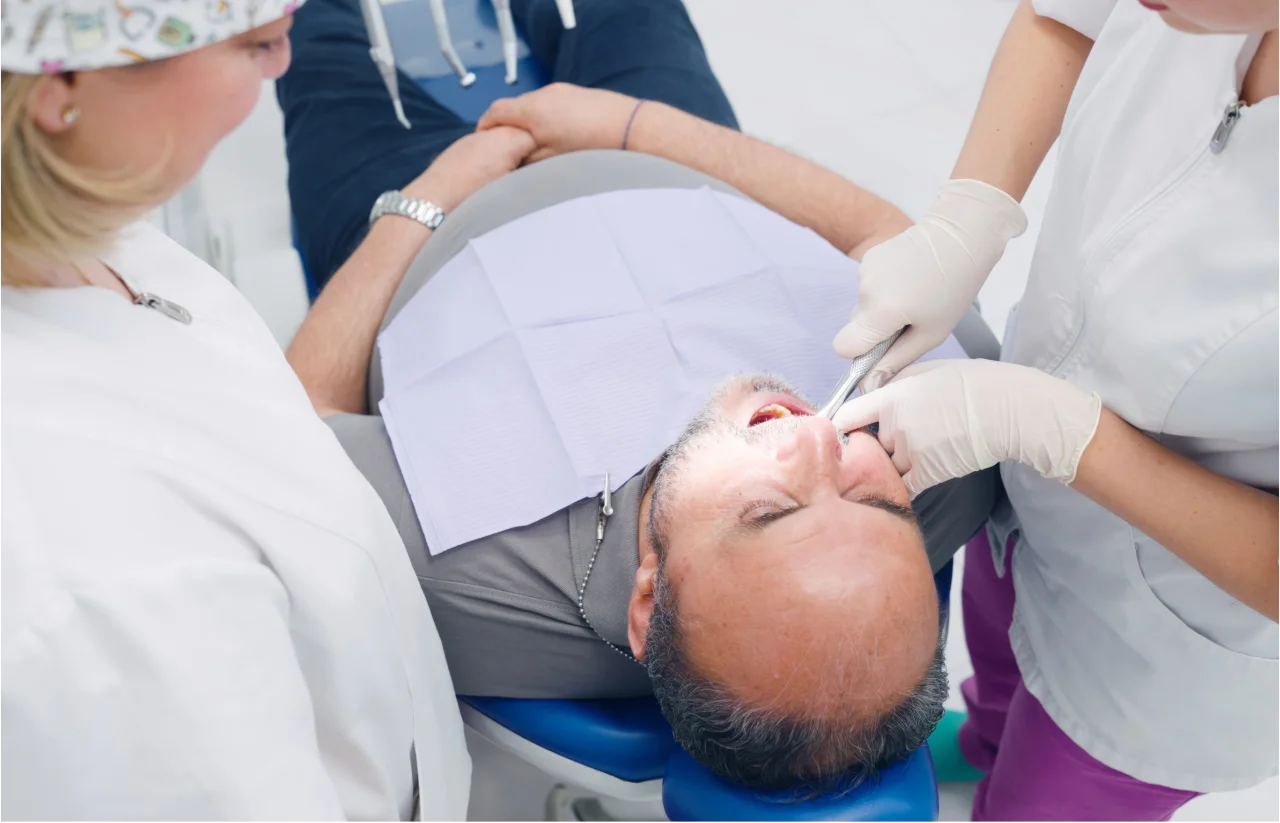
Tooth Extractions in South Tacoma: Gentle, Professional Tooth Removal
Tooth Extraction Benefits:
- Pain relief: Remove source of infection and discomfort
- Prevent complications: Stop infection from spreading
- Preserve oral health: Remove damaged teeth threatening adjacent teeth
- Prepare for replacement: Create foundation for dental implants or bridges
- Modern comfort: Advanced anesthesia ensures painless procedures
- Serving: South Tacoma, Graham, Roy, Spanaway, Frederickson, Eatonville, and JBLM families
When Tooth Extraction Is Necessary in Tacoma
Severe Decay
When cavities progress beyond what fillings can repair and the tooth structure is too compromised for a crown, extraction prevents infection and pain. According to the American Dental Association, removing severely decayed teeth protects surrounding teeth and bone from infection.
Failed Root Canal
Occasionally, root canal treatment doesn't successfully save a tooth, or reinfection occurs. When retreatment isn't viable, extraction becomes necessary.
Advanced Gum Disease
Severe periodontal disease can loosen teeth beyond saving. Extracting these teeth prevents further bone loss and allows proper treatment of gum disease.
Impacted Wisdom Teeth
Wisdom teeth (third molars) often lack space to erupt properly, becoming impacted. Impacted wisdom teeth cause pain, infection, damage to adjacent teeth, and cyst formation. Removal prevents these complications.
Overcrowding
Sometimes teeth must be extracted to create space for orthodontic treatment. Strategic extractions allow remaining teeth to align properly.
Fractured Teeth
Teeth fractured below the gum line from trauma or injury often cannot be repaired. Extraction followed by implant or bridge replacement restores function and appearance.
Preparation for Dentures
When multiple teeth are failing, extracting them and replacing with dentures or implant-supported dentures restores comprehensive function and aesthetics.
Types of Tooth Extractions We Perform in Tacoma
Simple Tooth Extractions in Tacoma
Simple extractions remove visible teeth that have erupted normally. Your dentist numbs the area, loosens the tooth with special instruments, and removes it with forceps. Simple extractions typically take 10-20 minutes per tooth and heal quickly.
Recovery: 3-7 days for initial healing. Most patients return to work the next day.
Surgical Extractions
Surgical extractions are needed when teeth are broken below the gum line, haven't erupted fully, or have complex root structures. Your dentist makes a small incision in the gum to access the tooth, may remove some bone around it, and sometimes sections the tooth for easier removal.
Recovery: 7-14 days for initial healing. Some swelling and discomfort are normal for 3-5 days.
Wisdom Teeth Removal in Tacoma, WA
Wisdom teeth extraction often requires surgical techniques because these teeth frequently grow at angles or become impacted. All four wisdom teeth can typically be removed in one appointment. Research in the Journal of Oral and Maxillofacial Surgery shows early wisdom teeth removal (late teens/early twenties) typically results in faster healing than removal in older adults.
Recovery: 7-14 days. Swelling peaks at 48-72 hours then gradually improves.
The Tooth Extraction Process at Davis Dental in Tacoma
Recovery and Healing After Tooth Extraction in Tacoma
First 24 Hours
Bite on gauze for 30-45 minutes after extraction. Rest for the remainder of the day—avoid strenuous activity. Apply ice packs to your face (20 minutes on, 20 minutes off) reducing swelling. Take prescribed or over-the-counter pain medication as directed. Eat soft, cool foods. According to the Centers for Disease Control and Prevention, following post-extraction instructions carefully promotes optimal healing.
Days 2-7
Some discomfort, swelling, and minor bleeding are normal. Continue eating soft foods, gradually introducing semi-solid foods as comfort allows. Rinse gently with warm salt water (1/2 teaspoon salt in 8 oz water) after meals and before bed starting 24 hours after extraction. Avoid the extraction site when brushing, but continue brushing other teeth normally.
What Not to Do
Don't smoke: Smoking dramatically increases dry socket risk and infection. Avoid smoking for at least 72 hours, preferably 7-14 days.
Don't use straws: Sucking through straws can dislodge the blood clot, causing painful dry socket.
Don't spit forcefully: Gentle rinsing is fine after 24 hours, but forceful spitting can dislodge the clot.
Don't disturb the site: Keep your tongue and fingers away from the extraction site.
Don't eat hard foods: Stick to soft foods for the first week to avoid irritating the healing socket.
Post-Extraction Questions? Call Us
Tooth Replacement Options After Extraction in Tacoma
While some extractions (like wisdom teeth) don't require replacement, most other extracted teeth should be replaced preventing adjacent teeth from shifting and maintaining proper bite and bone structure.
Dental Implants
Dental implants provide the most natural, permanent replacement. A titanium post is placed in the jawbone, and a custom crown attaches to it. Implants preserve bone and function like natural teeth.
Timeline: Often placed 3-6 months after extraction, allowing bone to heal first. Some cases allow immediate implant placement during extraction.
Dental Bridges
Dental bridges replace missing teeth by anchoring artificial teeth to adjacent natural teeth. Bridges restore function and appearance without surgery.
Timeline: Can be placed 6-12 weeks after extraction once gums heal.
Dentures
For multiple missing teeth, partial or full dentures provide economical replacement. Implant-supported dentures offer superior stability compared to traditional dentures.
Timeline: Can be placed once gums heal completely, typically 8-12 weeks after extractions.
During your extraction consultation, we discuss replacement options, timing, and costs, creating a comprehensive treatment plan.
Preventing Complications After Tooth Extraction in Tacoma
Dry Socket
Dry socket occurs when the blood clot dislodges or doesn't form properly, exposing bone and nerves. This causes severe pain starting 2-4 days after extraction. Treatment involves cleaning the socket and placing medicated dressing. Prevention includes following all post-extraction instructions, especially avoiding smoking and straws.
Infection
Though rare with proper care, infections can develop. Signs include increasing pain after initial improvement, fever, excessive swelling, or foul taste/odor. Contact us immediately if you suspect infection.
Excessive Bleeding
Minor bleeding or oozing for 24-48 hours is normal. Excessive bleeding soaking through multiple gauze pads requires attention. Bite firmly on fresh gauze for 30 minutes. If bleeding continues, contact our office.
Related Services
Family Dentistry - Comprehensive dental care including preventive services that help avoid extractions.
Dental Implants - Permanent tooth replacement after extraction with natural-looking, functional results.
Dental Bridges - Fixed tooth replacement option bridging gaps from extracted teeth.
Dentures - Full or partial dentures replacing multiple extracted teeth.
Root Canal Treatment - Save teeth before extraction becomes necessary.
Gentle, Professional Tooth Extractions
When tooth extraction is necessary, trust Davis Dental Group in South Tacoma for gentle, professional care. Our experienced team uses modern techniques ensuring comfortable treatment and optimal healing. Schedule your consultation to discuss extraction and tooth replacement options.
Serving South Tacoma, Graham, Roy, Spanaway, Frederickson, Eatonville, and JBLM military families with comprehensive tooth extraction services.
Schedule Your Extraction Consultation
Call for Same-Day Emergency Care
Most PPO insurances accepted. Gentle tooth extractions with advanced anesthesia.
Why Choose Davis Dental Group
- Advanced 3D Scanning Technology: Precise imaging for accurate implant planning and placement. Better planning means better results.
- Walk-Ins Welcome: Stop by our Tacoma office anytime for consultations—no appointment needed.
- Same-Day Consultations: We offer same-day appointments when available, so you don't have to wait.
- Free Consultations: Get expert guidance with no obligation. We'll evaluate your situation and discuss your options.
- Comprehensive Care in One Location: From consultation to implant placement to final restoration, everything happens right here. No referrals to multiple specialists.
- Experienced Team: Our dental professionals have extensive experience in implant dentistry and prioritize your comfort throughout treatment.