
Dental Fillings in South Tacoma: Repair Cavities Naturally
Filling Benefits:
- Natural appearance: Tooth-colored composite blends invisibly
- Strong bond: Adheres directly to tooth structure
- Preserves tooth: Minimal healthy tooth removal
- Quick treatment: Most fillings complete in 30-60 minutes
- Early detection: Regular cleanings catch cavities early
- Serving: South Tacoma, Graham, Roy, Spanaway, Frederickson, Eatonville, and JBLM families
What Are Dental Fillings?
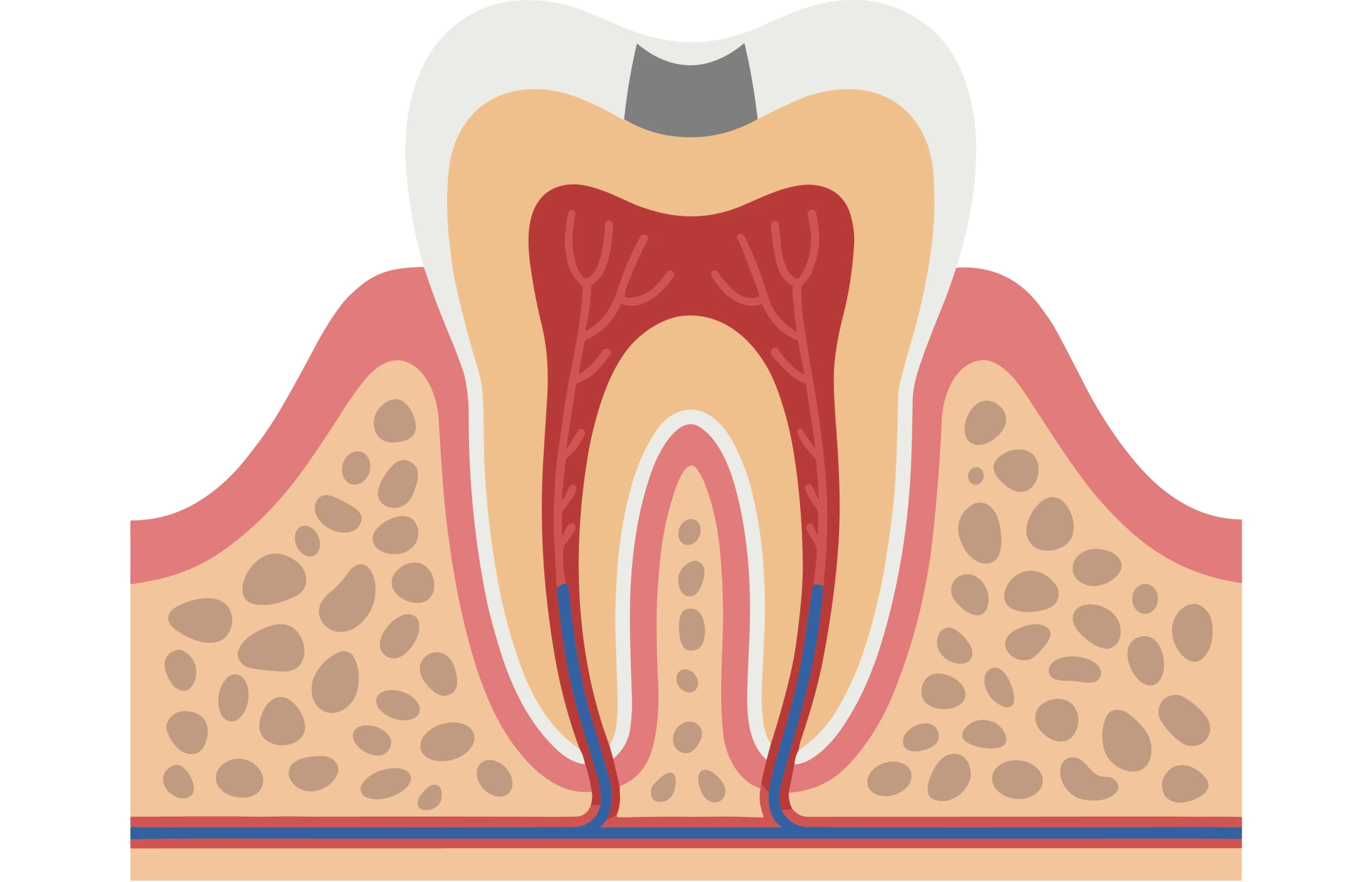
A dental filling is a restorative treatment that repairs teeth damaged by cavities (tooth decay). Your dentist removes the decayed portion of the tooth and fills the cleaned cavity with durable material, restoring the tooth's shape, function, and strength. According to the American Dental Association, prompt cavity treatment prevents decay from spreading deeper into the tooth, which could require more complex procedures.
Cavities develop when bacteria in your mouth produce acids that dissolve tooth enamel. Without treatment, decay progresses through enamel into dentin and eventually reaches the tooth's nerve, causing pain and infection. Fillings stop this progression, eliminating bacteria and sealing the tooth against further decay.
Modern composite fillings use tooth-colored resin materials that bond chemically to tooth structure. Unlike old silver amalgam fillings, composite fillings blend naturally with your smile and require less tooth removal for placement.
Types of Dental Fillings
Composite Resin Fillings (Tooth-Colored)
Composite fillings use a mixture of plastic and fine glass particles creating a tooth-colored material that bonds directly to enamel and dentin. Your dentist selects composite shading matching your natural tooth color precisely. These fillings are virtually invisible and ideal for front teeth or any visible area.
Composite materials bond chemically to tooth structure, actually strengthening the remaining tooth. They require less healthy tooth removal than amalgam fillings because they don't need mechanical retention—the chemical bond holds them in place.
Silver Amalgam Fillings
Amalgam fillings use a mixture of metals including silver, mercury, tin, and copper. While very durable and less expensive than composite, amalgam's silver color is obvious when you smile or laugh. Amalgam also requires removing more healthy tooth structure to create the proper shape for retention.
Many patients request composite fillings for aesthetic reasons. We can also replace old amalgam fillings with tooth-colored composite if you prefer a more natural appearance.
When Each Type Works Best
Composite fillings work excellent for small to moderate cavities anywhere in your mouth. They're the standard choice for front teeth where appearance matters most. For very large cavities or teeth experiencing heavy chewing forces, we discuss whether composite fillings provide adequate strength or if dental crowns offer better protection.
The Dental Filling Process
Caring for Your Fillings
Daily Oral Hygiene
Brush twice daily with fluoride toothpaste and floss once daily. Fillings require the same care as natural teeth. The Centers for Disease Control and Prevention emphasizes that proper oral hygiene prevents new cavities from forming around or beneath fillings.
Good hygiene also maintains gum health around filled teeth, preventing gum disease that could compromise the filling.
Protect from Damage
Avoid biting hard objects like ice, hard candy, or nutshells that could crack or chip fillings. Don't chew on pens or fingernails. If you grind your teeth at night, discuss a nightguard with your dentist to protect both fillings and natural teeth from excessive forces.
Watch for Problems
Contact Davis Dental Group if you notice sensitivity persisting more than a few weeks, sharp edges catching your tongue or cheek, or pain when biting. Most filling problems are easily addressed if caught early.
Regular Dental Visits
Attend dental cleanings every six months. Professional examinations monitor filling condition, check for new cavities, and catch problems before they become serious. Regular preventive care is your best investment in long-term oral health.
How Long Do Fillings Last?
Composite fillings typically last 5-10 years with proper care. Longevity depends on filling size and location, bite forces, oral hygiene habits, and dietary choices. Large fillings on back teeth experiencing heavy chewing generally need replacement sooner than small fillings on front teeth.
Your dentist monitors filling condition during regular checkups, recommending replacement when fillings show wear, leakage, or damage. Replacing worn fillings before they fail completely prevents decay from re-entering the tooth.
Filling vs. Other Treatments
Filling vs. Crown
Small to moderate cavities are repaired with fillings. Large cavities affecting more than half the tooth require crowns for adequate strength and protection. Crowns cover the entire tooth above the gum line, while fillings simply fill the cavity space.
Filling vs. Root Canal
If decay reaches the tooth's nerve, a root canal becomes necessary before placing a filling or crown. Root canals remove infected nerve tissue, while fillings only remove decayed tooth structure. Catching cavities early with regular checkups means fillings alone usually suffice.
Filling vs. Extraction
Saving your natural tooth with a filling is always preferable to extraction when possible. Natural teeth maintain bone structure, provide better chewing function, and avoid the cost and complexity of tooth replacement.
Preventing Future Cavities
Maintain Excellent Oral Hygiene: Brush twice daily and floss once daily to remove plaque bacteria before they produce cavity-causing acids.
Reduce Sugar and Acids: Limit sugary foods and beverages. When you do consume them, rinse with water afterward. Acidic drinks like soda erode enamel, making teeth more susceptible to decay.
Visit Regularly: Professional cleanings and exams every six months remove tartar buildup and catch cavities early when treatment is simpler.
Consider Sealants: Dental sealants applied to back teeth create physical barriers protecting vulnerable grooves and pits from bacteria.
Fluoride Treatments: Professional fluoride applications strengthen enamel, making teeth more resistant to acid attacks from bacteria.
Related Services
Family Dentistry - Comprehensive dental care including preventive services that catch cavities early.
Dental Cleanings & Exams - Regular checkups detect cavities when they're small, requiring only minor fillings.
Dental Crowns - Large cavities may require crowns instead of fillings for adequate tooth protection.
Root Canal Treatment - Deep cavities reaching the tooth's nerve need root canals before filling or crown placement.
Repair Your Cavity Today
Don't let cavities become bigger problems. Schedule your filling appointment at Davis Dental Group in South Tacoma. Our experienced dentists provide comfortable, natural-looking cavity treatment with tooth-colored composite materials. Early treatment means simpler, more affordable care.
Serving South Tacoma, Graham, Roy, Spanaway, Frederickson, Eatonville, and JBLM military families with quality restorative dentistry.
Schedule Your Filling Appointment
Call Today for Treatment
United Concordia and most major insurance accepted. Natural-looking composite fillings completed in one visit.
Why Choose Davis Dental Group
- Advanced 3D Scanning Technology: Precise imaging for accurate implant planning and placement. Better planning means better results.
- Walk-Ins Welcome: Stop by our Tacoma office anytime for consultations—no appointment needed.
- Same-Day Consultations: We offer same-day appointments when available, so you don't have to wait.
- Free Consultations: Get expert guidance with no obligation. We'll evaluate your situation and discuss your options.
- Comprehensive Care in One Location: From consultation to implant placement to final restoration, everything happens right here. No referrals to multiple specialists.
- Experienced Team: Our dental professionals have extensive experience in implant dentistry and prioritize your comfort throughout treatment.