
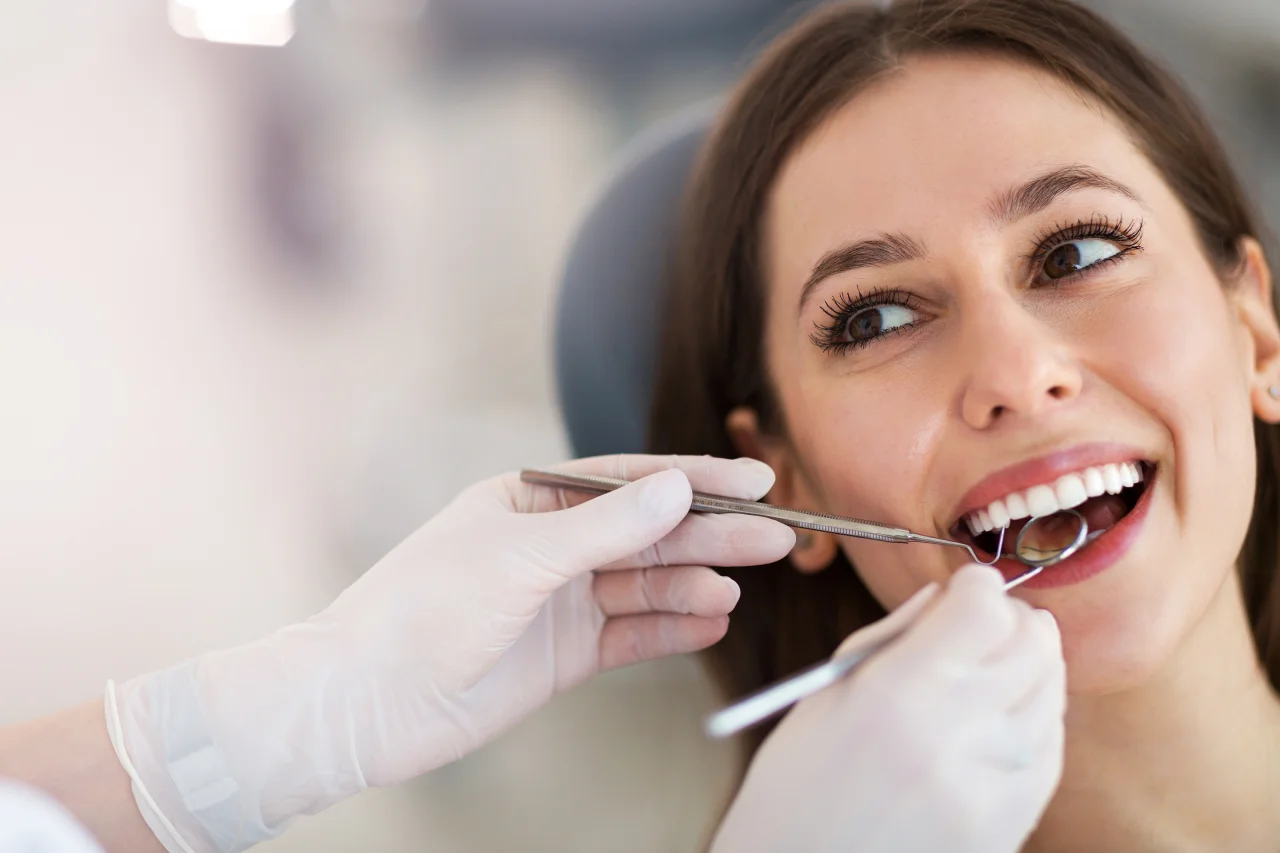
Cosmetic Tooth Reshaping in South Tacoma, WA
- Quick procedure: Usually completed in 30-60 minutes
- Painless: No anesthesia typically needed
- Immediate results: See improvements same visit
- Conservative: Minimal enamel removal
- Affordable: Lower cost than veneers or bonding
- Serving: South Tacoma, Graham, Roy, Spanaway, Frederickson, Eatonville, and JBLM families
What Is Tooth Reshaping?
Tooth reshaping is a cosmetic dental procedure that involves carefully removing small amounts of tooth enamel to improve the shape, length, or surface texture of teeth. According to the American Dental Association, this conservative treatment addresses minor cosmetic imperfections without requiring significant tooth alteration or laboratory-fabricated restorations.
Your dentist uses specialized instruments to gently sculpt enamel, creating smoother contours and more attractive proportions. The procedure is often combined with dental bonding for enhanced results when both removal and addition of material benefit the final appearance.
Tooth reshaping works best for patients with healthy teeth and adequate enamel thickness. During your free consultation, we evaluate whether your teeth are suitable candidates for reshaping or if alternative treatments would better achieve your goals.
The Tooth Reshaping Process
Types of Corrections Tooth Reshaping Addresses
Smoothing Rough or Jagged Edges
Chips from accidents, wear from grinding, or naturally irregular edges create rough tooth surfaces that catch light unfavorably and feel unpleasant to your tongue. Reshaping smooths these imperfections, creating even, attractive edges.
Shortening Overly Long Teeth
Some people have one or more teeth that appear longer than adjacent teeth, creating visual imbalance. Careful shortening of these teeth by 1-2mm creates better proportion and symmetry. This correction often combines with gum contouring when excess gum tissue also contributes to the length discrepancy.
Rounding Pointed Teeth
Canine teeth that are overly pointed or incisors with sharp corners can appear aggressive or create an aged appearance. Gentle rounding softens the smile while maintaining natural tooth characteristics.
Creating Symmetry
Slight differences in tooth size or shape between left and right sides of your smile create subtle asymmetry that bothers many patients. Reshaping can equalize tooth dimensions, creating more balanced, harmonious appearance.
Correcting Minor Overlaps
When one tooth slightly overlaps another, reshaping can reduce the overlap appearance without orthodontics. This works only for very minor overlaps—significant crowding requires orthodontic treatment for proper correction.
Tooth Reshaping vs. Other Cosmetic Treatments
Tooth Reshaping vs. Dental Bonding
Tooth reshaping removes enamel, while dental bonding adds composite material to teeth. Reshaping works for corrections requiring material removal—smoothing edges, shortening length, or reducing size. Bonding works when material addition is needed—filling chips, closing gaps, or building up worn areas.
Many patients benefit from combining both treatments. For example, reshaping can smooth rough edges while bonding fills in a chip on the same tooth.
Tooth Reshaping vs. Veneers
Porcelain veneers cover the entire front tooth surface, transforming color, shape, and size dramatically. Reshaping makes subtle modifications to existing tooth structure. Veneers require enamel removal to accommodate the veneer thickness, and take 2-3 weeks for completion.
However, reshaping cannot address discoloration, large chips, or significant shape changes that veneers handle effectively.
Tooth Reshaping vs. Orthodontics
Orthodontic treatment moves teeth into better positions over months or years, correcting crowding, gaps, and bite problems. Reshaping creates the illusion of better alignment through subtle contouring but doesn't actually move teeth.
For patients with minor cosmetic concerns not requiring true tooth movement, reshaping offers a quick, affordable alternative. Significant misalignment or bite problems require orthodontics for proper correction.
Caring for Reshaped Teeth
Daily Oral Hygiene
Brush twice daily with fluoride toothpaste using a soft-bristled toothbrush. Reshaped teeth require the same care as all your teeth—proper brushing removes plaque bacteria that cause decay and gum disease. Floss once daily to clean between teeth where brushes cannot reach.
The Centers for Disease Control and Prevention emphasizes that good oral hygiene is essential for maintaining all dental work, including reshaped teeth.
Protecting Your Enamel
Because reshaping removes a small amount of enamel, protecting your remaining enamel becomes even more important. Avoid highly acidic foods and beverages that erode enamel—citrus, soda, sports drinks. When you do consume acidic items, rinse with water afterward and wait 30 minutes before brushing.
Use non-abrasive toothpaste to avoid unnecessary enamel wear. Avoid biting hard objects like ice, hard candy, or pens that could chip reshaped edges.
Professional Dental Care
Attend regular dental cleanings and exams every six months. Your hygienist cleans thoroughly around reshaped areas, and your dentist monitors the teeth to ensure no problems develop. Professional fluoride treatments during cleanings strengthen enamel and provide extra protection.
Sensitivity Monitoring
Some patients experience temporary sensitivity to temperature after reshaping, though this is uncommon. If sensitivity occurs, use toothpaste designed for sensitive teeth. Sensitivity typically resolves within a few days. Persistent sensitivity warrants contacting your dentist for evaluation.
What Not to Do After Tooth Reshaping
Don't Skip Follow-Up Care
If your dentist recommends a follow-up appointment to check your reshaped teeth, attend this visit. Follow-up allows your dentist to ensure you're satisfied with results and that teeth are functioning well without issues.
Don't Grind Your Teeth Without Protection
If you grind or clench your teeth, especially during sleep, inform your dentist. A custom nightguard protects reshaped teeth from excessive forces that could cause chipping or wear. Grinding can damage any teeth but poses particular risk to teeth with reduced enamel from reshaping.
Don't Expect Major Transformations
Tooth reshaping creates subtle improvements—not dramatic changes. If you're disappointed because you expected more significant results, discuss additional options with your dentist. Combining reshaping with bonding, teeth whitening, or veneers might achieve the more comprehensive transformation you desire.
Don't Ignore Changes or Problems
If you notice sharp edges, increased sensitivity, or changes to your bite after reshaping, contact Davis Dental Group promptly. These issues are rare but should be addressed quickly when they occur.
Caring for Reshaped Teeth
Daily Oral Hygiene
Brush twice daily with fluoride toothpaste using a soft-bristled toothbrush. Reshaped teeth require the same care as all your teeth—proper brushing removes plaque bacteria that cause decay and gum disease. Floss once daily to clean between teeth where brushes cannot reach.
The Centers for Disease Control and Prevention emphasizes that good oral hygiene is essential for maintaining all dental work, including reshaped teeth.
Protecting Your Enamel
Because reshaping removes a small amount of enamel, protecting your remaining enamel becomes even more important. Avoid highly acidic foods and beverages that erode enamel—citrus, soda, sports drinks. When you do consume acidic items, rinse with water afterward and wait 30 minutes before brushing.
Use non-abrasive toothpaste to avoid unnecessary enamel wear. Avoid biting hard objects like ice, hard candy, or pens that could chip reshaped edges.
Professional Dental Care
Attend regular dental cleanings and exams every six months. Your hygienist cleans thoroughly around reshaped areas, and your dentist monitors the teeth to ensure no problems develop. Professional fluoride treatments during cleanings strengthen enamel and provide extra protection.
Sensitivity Monitoring
Some patients experience temporary sensitivity to temperature after reshaping, though this is uncommon. If sensitivity occurs, use toothpaste designed for sensitive teeth. Sensitivity typically resolves within a few days. Persistent sensitivity warrants contacting your dentist for evaluation.
Why Choose Davis Dental Group in Tacoma?
- Advanced 3D Scanning Technology: Precise imaging for accurate implant planning and placement. Better planning means better results.
- Walk-Ins Welcome: Stop by our Tacoma office anytime for consultations—no appointment needed.
- Same-Day Consultations: We offer same-day appointments when available, so you don't have to wait.
- Free Consultations: Get expert guidance with no obligation. We'll evaluate your situation and discuss your options.
- Comprehensive Care in One Location: From consultation to implant placement to final restoration, everything happens right here. No referrals to multiple specialists.
- Experienced Team: Our dental professionals have extensive experience in implant dentistry and prioritize your comfort throughout treatment.