
Porcelain Veneers in South Tacoma: Transform Your Smile
Porcelain veneers provide natural-looking smile transformations at Davis Dental Group in South Tacoma. Our custom ceramic veneers address discoloration, chips, gaps, and minor misalignment, lasting 10-15+ years. We use advanced Shining 3D Aoralscan Elf scanner technology for precise fit and beautiful results.
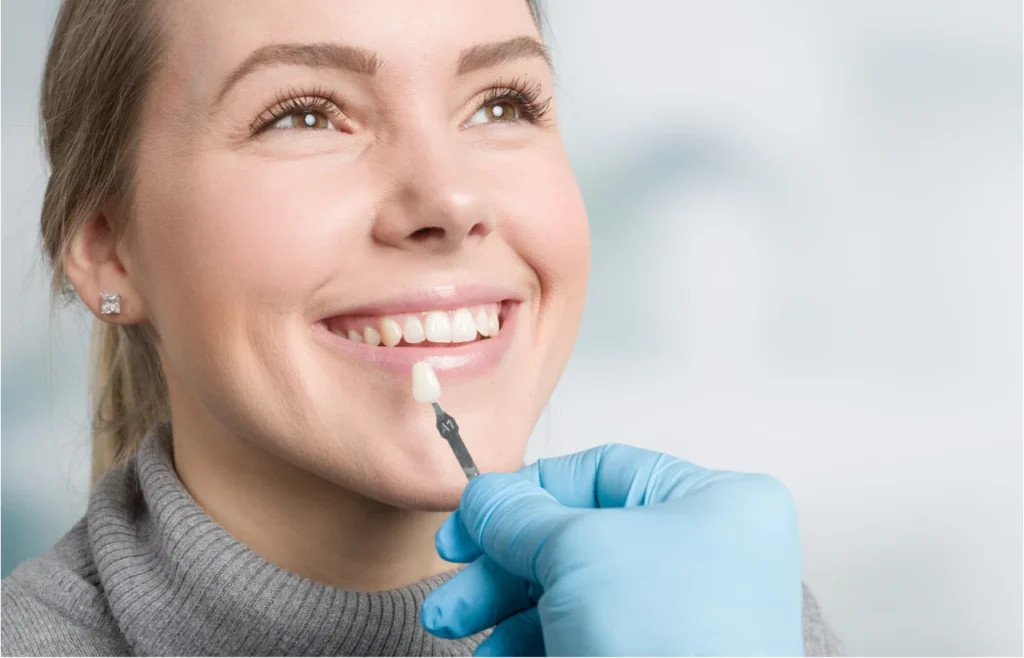
Quick Facts:
- Long-lasting: 10-15+ years with proper care
- Natural appearance: Translucent like real teeth
- Stain-resistant: Maintains brightness permanently
- Versatile: Fixes multiple concerns at once
- Free consultations: Digital smile preview included
- Serving: South Tacoma, Graham, Roy, Spanaway, Frederickson, Eatonville, and JBLM families
What Are Porcelain Veneers?
Porcelain veneers are thin ceramic shells, typically 0.5mm thick, that bond permanently to the front surface of teeth. According to the American Academy of Cosmetic Dentistry, veneers rank among the most requested cosmetic dental treatments because they provide comprehensive smile makeovers with conservative tooth preparation.
Each veneer is custom-crafted in a dental laboratory using high-quality ceramic materials that mimic natural tooth enamel's translucency and light-reflecting properties. The result is restorations virtually indistinguishable from natural teeth. Veneers correct tooth discoloration that whitening cannot address, chips and cracks, gaps between teeth, slightly crooked or misaligned teeth, worn or shortened teeth from grinding, and misshapen or uneven teeth.
Unlike dental bonding which uses composite resin applied directly to teeth, porcelain veneers are fabricated in a laboratory for superior aesthetics and durability. While composite veneers offer a more affordable alternative, porcelain provides unmatched natural appearance and longevity.
The Porcelain Veneer Process
Consultation and Digital Smile Design
Your veneer journey begins with a comprehensive consultation where we discuss your smile goals and expectations. Using our advanced 3D scanner, we create precise digital impressions of your teeth—eliminating uncomfortable traditional molds. This technology allows us to show you digital previews of your potential results before any treatment begins.
We photograph your current smile from multiple angles and design your new veneers considering your facial features, skin tone, and personal preferences. You see exactly how veneers will transform your appearance and can request adjustments to the design. This collaborative process ensures you love your new smile before we prepare your teeth.
Research in the Journal of Prosthetic Dentistry indicates that digital smile design significantly improves patient satisfaction by setting accurate expectations and allowing patients to participate in treatment planning.
See Your Future Smile - Book Consultation
Tooth Preparation
During your first treatment appointment, your dentist prepares your teeth by removing a thin layer of enamel—typically 0.5mm—from the front surface. This removal creates space for veneers to sit flush with adjacent teeth, ensuring natural appearance and proper bite alignment.
Local anesthetic keeps you comfortable during preparation. The amount of enamel removed is minimal and conservative, but the process is permanent—you will always need veneers or some covering on prepared teeth. Your dentist carefully shapes each tooth's surface to optimize veneer retention and aesthetics.
Temporary Veneers
After preparation, we place temporary veneers that protect your teeth and let you preview your new smile. These temporaries, while not as refined as your final veneers, give you a sense of your transformed appearance. The temporary phase typically lasts 1-2 weeks while the laboratory crafts your permanent veneers.
You can provide feedback about the temporaries—if you want teeth slightly longer, shorter, or different shape, we communicate these preferences to the laboratory for your final veneers.
Laboratory Fabrication
A skilled dental ceramist hand-crafts your veneers using your digital impressions and specifications. They layer different shades of porcelain to create depth and translucency matching natural teeth. This artistic process takes approximately 2 weeks and results in restorations customized specifically for you.
Premium dental laboratories use advanced ceramic materials and techniques that produce exceptionally natural-looking results. Your investment in quality veneers includes expert laboratory work that makes the difference between good and outstanding outcomes.
Final Placement
At your second appointment, your dentist removes temporary veneers and tries in your permanent ones. They check fit, shape, color, and how veneers integrate with your surrounding teeth. Minor adjustments can be made at this stage to ensure perfection.
Once you approve the appearance, your dentist permanently bonds veneers to your teeth using strong dental cement and special curing light. They carefully remove excess cement, check your bite, and polish the veneers to a natural luster. You leave with your completed smile transformation.
Types of Porcelain Veneers
Traditional Porcelain Veneers
Traditional veneers require removal of approximately 0.5mm of enamel and provide the most versatile correction option. They work well for comprehensive smile makeovers addressing multiple aesthetic issues. The preparation process is irreversible, but traditional veneers deliver superior strength and aesthetics that last 10-15+ years.
Minimal Prep Veneers
Some cases allow ultra-thin veneers requiring minimal or no enamel removal. These work best when teeth are properly aligned and only need surface-level correction. Not everyone qualifies for minimal prep veneers—your dentist evaluates whether your situation allows this conservative approach.
Full vs. Partial Veneer Coverage
While most patients receive veneers on their upper front 6-8 teeth (the most visible when smiling), some choose to veneer additional teeth for comprehensive transformation. Others combine veneers on upper teeth with teeth whitening on lower teeth for an economical yet beautiful result.
Your dentist recommends appropriate coverage based on your goals, budget, and which teeth show when you smile and speak.
Comparing Porcelain Veneers to Other Treatments
Porcelain Veneers vs. Composite Veneers
Composite veneers use tooth-colored resin applied directly to teeth in a single appointment. They cost less ($400-$800 per tooth) but don't match porcelain's translucency or stain resistance. Composite veneers last 5-7 years compared to porcelain's 10-15+ years.
Porcelain provides superior aesthetics for patients wanting the most natural results and best long-term value. Composite works well for patients with budget constraints who want veneer-like improvements without waiting for laboratory fabrication.
Porcelain Veneers vs. Dental Bonding
Dental bonding repairs individual chips, gaps, or discoloration in one visit using composite resin. Bonding excels for small, isolated corrections. Veneers address multiple issues across multiple teeth for comprehensive smile transformation.
Many patients combine treatments—veneers on most visible upper front teeth and bonding on less prominent teeth—for optimal aesthetics at moderate cost.
Porcelain Veneers vs. Teeth Whitening
Teeth whitening brightens natural tooth color but cannot address chips, gaps, or shape issues. Whitening costs significantly less ($300-$600) and provides excellent results for patients whose only concern is discoloration.
Veneers are permanent and irreversible, while whitening is non-invasive. If you only need brighter teeth and your tooth structure is otherwise attractive, whitening is the better choice. If you want to change tooth shape, size, or have discoloration that whitening cannot address, veneers are necessary.
Porcelain Veneers vs. Crowns
Dental crowns cover the entire tooth—front, back, and chewing surface—while veneers cover only the front. Crowns work for severely damaged or heavily restored teeth. Veneers preserve more natural tooth structure and are appropriate for teeth requiring primarily cosmetic improvement.
Caring for Your Porcelain Veneers
Daily Oral Hygiene
Brush twice daily with non-abrasive toothpaste and a soft-bristled toothbrush. Avoid whitening toothpastes with harsh abrasives that can dull veneer surfaces. Floss once daily using gentle technique around veneer edges to remove plaque bacteria.
The Centers for Disease Control and Prevention emphasizes that proper oral hygiene extends the lifespan of all dental restorations, including veneers. Regular care prevents decay at the junction where veneers meet natural tooth structure.
Protecting Your Investment
Avoid biting hard objects like ice, hard candy, or pen caps that could crack porcelain. Never use teeth as tools to open packages or bottles. If you grind your teeth during sleep, wear a custom nightguard to protect veneers from excessive forces that can cause fractures.
Nightguards are essential for patients with bruxism (teeth grinding). Your dentist fabricates a custom guard that fits comfortably and protects your veneers while you sleep.
Professional Maintenance
Schedule dental cleanings every six months. Your hygienist uses appropriate instruments and techniques to clean around veneers without damaging them. Regular exams allow your dentist to monitor veneer condition and address minor issues before they become major problems.
Professional cleanings remove plaque and tartar that home care misses, preventing gum disease that can compromise veneer longevity.
Avoiding Staining
While porcelain veneers resist staining much better than natural teeth or composite materials, the cement line where veneers attach can accumulate stains over time. Limit consumption of highly staining foods and beverages like coffee, tea, red wine, and berries. When you do consume these items, rinse with water afterward.
Avoid tobacco products, which stain both natural teeth and dental restorations.
What Not to Do with Porcelain Veneers
Don't Skip Your Consultation
Never proceed with veneers without thorough consultation and digital smile design. Rushing into treatment without proper planning leads to disappointment. Take time to communicate your goals, see digital previews, and ensure you understand the process, costs, and maintenance requirements.
Don't Ignore Underlying Dental Problems
Cavities, gum disease, or bite problems must be addressed before placing veneers. Putting veneers on unhealthy teeth leads to failure and wasted investment. Your comprehensive evaluation identifies any issues requiring treatment first.
Don't Neglect Your Temporaries
During the temporary veneer phase, follow care instructions carefully. Avoid hard or sticky foods that could dislodge temporaries. If a temporary comes loose, contact your dentist immediately for reattachment. Leaving teeth unprotected between preparation and final veneer placement can cause sensitivity and damage.
Don't Expect Instant White Teeth
Veneers are designed to look natural, which means they're not Hollywood-white. Your dentist creates veneers matching an attractive, believable shade that complements your complexion. Unnaturally bright veneers look fake and draw negative attention.
If you want whiter teeth, discuss whitening your natural teeth before veneers so veneers can be matched to your desired shade. Remember that veneers don't change color—the shade you choose is permanent.
Why Choose Davis Dental Group for Porcelain Veneers
- Advanced 3D Scanning Technology: Precise imaging for accurate implant planning and placement. Better planning means better results.
- Walk-Ins Welcome: Stop by our Tacoma office anytime for consultations—no appointment needed.
- Same-Day Consultations: We offer same-day appointments when available, so you don't have to wait.
- Free Consultations: Get expert guidance with no obligation. We'll evaluate your situation and discuss your options.
- Comprehensive Care in One Location: From consultation to implant placement to final restoration, everything happens right here. No referrals to multiple specialists.
- Experienced Team: Our dental professionals have extensive experience in implant dentistry and prioritize your comfort throughout treatment.