Dental Crowns in Tacoma, WA
Dental Crowns in South Tacoma: Restore Damaged Teeth
Crown Benefits:
- Restore strength: Protect weakened teeth from further damage
- Natural appearance: Porcelain and ceramic blend with your smile
- Long-lasting: 10-15+ years with proper care
- Preserve teeth: Save damaged teeth from extraction
- Custom fit: Designed specifically for your tooth
- Serving: South Tacoma, Graham, Roy, Spanaway, Frederickson, Eatonville, and JBLM families
What Are Dental Crowns?
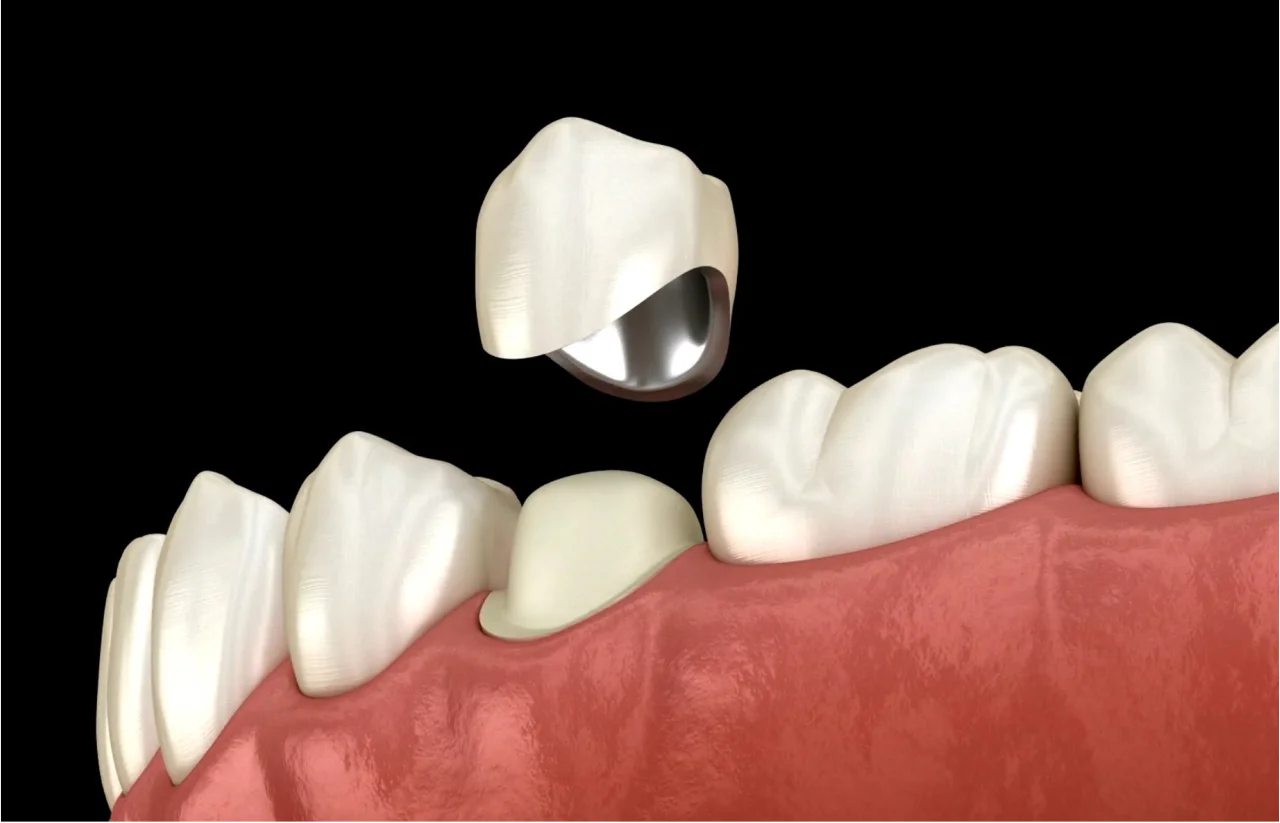
A dental crown is a custom-made cap that covers a damaged tooth completely, restoring its size, shape, strength, and appearance. According to the American Dental Association, crowns protect compromised teeth while providing natural-looking results that blend seamlessly with surrounding teeth.
Crowns become necessary when teeth are too damaged for fillings to repair effectively, after root canal treatment to protect the brittle tooth structure, for severely cracked or fractured teeth, to replace large old fillings that have failed, or to restore teeth worn down from grinding.
Modern crowns use materials like porcelain, ceramic, and zirconia that mimic natural tooth enamel's translucency and strength. Your dentist selects appropriate materials based on which tooth needs restoration, your bite forces, and aesthetic requirements.
The Dental Crown Process
Types of Dental Crowns
Porcelain and Ceramic Crowns
All-porcelain or all-ceramic crowns provide the most natural appearance, making them ideal for front teeth. These materials reflect light like natural enamel and can be color-matched precisely to surrounding teeth. Ceramic crowns are strong enough for most situations and cause no metal allergies or sensitivities.
Modern ceramic materials like zirconia offer exceptional strength approaching that of metal crowns while maintaining excellent aesthetics. These high-strength ceramics work well even for back teeth experiencing heavy chewing forces.
Porcelain-Fused-to-Metal (PFM) Crowns
PFM crowns have a metal substructure covered by porcelain, combining metal's strength with porcelain's appearance. These crowns are very strong and suitable for back teeth. However, the metal layer can sometimes show as a dark line near the gums, especially if gums recede over time.
Gold and Metal Alloy Crowns
Metal crowns are extremely durable and withstand heavy biting forces well, making them excellent for molars not visible when smiling. Gold crowns require less tooth removal than other crown types and wear similarly to natural enamel. Some patients prefer metal crowns' longevity despite their obvious appearance.
Temporary Crowns
While your permanent crown is being fabricated, you wear a temporary crown protecting your prepared tooth. Temporaries are made from acrylic or composite resin and serve as placeholders. They're not as strong as permanent crowns, requiring care when eating.
Caring for Your Dental Crown
Daily Oral Hygiene
Brush twice daily with fluoride toothpaste using a soft-bristled toothbrush. Pay special attention to the area where the crown meets your gum line, as plaque can accumulate there. Floss daily around the crown, sliding floss carefully to avoid dislodging it.
The Centers for Disease Control and Prevention emphasizes that crowns require the same diligent care as natural teeth to prevent decay and gum disease.
Protect from Damage
Avoid biting hard objects like ice, hard candy, or nutshells that could crack or chip the crown. Don't use teeth to open packages or bottles. If you grind your teeth at night, wear a custom nightguard to protect both crowns and natural teeth from excessive forces.
Regular Dental Visits
Attend dental cleanings every six months. Professional maintenance keeps gums healthy around crowned teeth and allows your dentist to monitor the crown's condition. Early detection of problems like loose crowns or decay at margins prevents bigger issues.
Watch for Problems
Contact Davis Dental Group if your crown feels loose, falls off, cracks, or causes pain or sensitivity. Most crown problems are easily addressed if caught early.
How Long Do Crowns Last?
Dental crowns typically last 10-15 years, though many patients enjoy their crowns for 20+ years with excellent care. Longevity depends on crown material, tooth location, bite forces, oral hygiene habits, and whether you grind teeth.
Porcelain and ceramic crowns last 10-15 years on average. Metal crowns can last 20+ years due to superior durability. Proper care significantly extends crown lifespan regardless of material.
Crown vs. Other Treatments
Crown vs. Large Filling
Large fillings don't provide the same strength and protection as crowns. Teeth with extensive decay or large old fillings are prone to cracking. Crowns prevent this by covering and supporting the entire tooth structure.
Crown vs. Extraction
Saving your natural tooth with a crown is almost always better than extraction and replacement. Natural teeth maintain bone structure, provide better function, and avoid the cost and complexity of implants or bridges.
Crown vs. Veneer
Veneers cover only the front tooth surface and work for cosmetic improvements to otherwise healthy teeth. Crowns cover the entire tooth and are necessary when significant tooth structure is damaged or missing.
When You Need a Crown
After Root Canal: Root canal treatment removes the tooth's nerve and blood supply, making it brittle and prone to fracture. Crowns protect these weakened teeth from breaking during normal chewing.
For Large Fillings: Teeth with fillings covering more than half the tooth surface benefit from crown protection. Large fillings can't withstand heavy biting forces as effectively as crowns.
For Cracked Teeth: Cracks weaken teeth and allow bacteria to enter. Crowns hold cracked teeth together, preventing the crack from spreading and the tooth from splitting completely.
For Worn Teeth: Severe grinding wears teeth down significantly. Crowns restore proper tooth height and protect remaining structure from further damage.
For Broken Teeth: Accidents and injuries can break teeth significantly. If enough healthy tooth structure remains, crowns can restore both function and appearance.
Related Services
Family Dentistry - Comprehensive dental care including preventive, restorative, and emergency services for all ages.
Dental Fillings - Repair smaller cavities before they become large enough to require crowns.
Root Canal Treatment - Save infected teeth that typically need crown protection after treatment.
Dental Cleanings - Regular preventive care maintains crowned teeth and detects problems early.
Restore Your Damaged Tooth
Protect and restore your damaged tooth with a quality dental crown at Davis Dental Group in South Tacoma. Our experienced dentists create natural-looking, long-lasting crowns using advanced materials and technology. Schedule your consultation to discuss whether a crown is right for your situation.
Serving South Tacoma, Graham, Roy, Spanaway, Frederickson, Eatonville, and JBLM military families with comprehensive restorative dentistry.
Schedule Your Crown Consultation
Call Today for Appointment
United Concordia and most major insurance accepted. Quality dental crowns with advanced 3D scanning technology.
Why Choose Davis Dental Group for Dental Crowns in Tacoma?
- Advanced 3D Scanning Technology: Precise imaging for accurate implant planning and placement. Better planning means better results.
- Walk-Ins Welcome: Stop by our Tacoma office anytime for consultations—no appointment needed.
- Same-Day Consultations: We offer same-day appointments when available, so you don't have to wait.
- Free Consultations: Get expert guidance with no obligation. We'll evaluate your situation and discuss your options.
- Comprehensive Care in One Location: From consultation to implant placement to final restoration, everything happens right here. No referrals to multiple specialists.
- Experienced Team: Our dental professionals have extensive experience in implant dentistry and prioritize your comfort throughout treatment.