Dental Bonding in Tacoma, WA
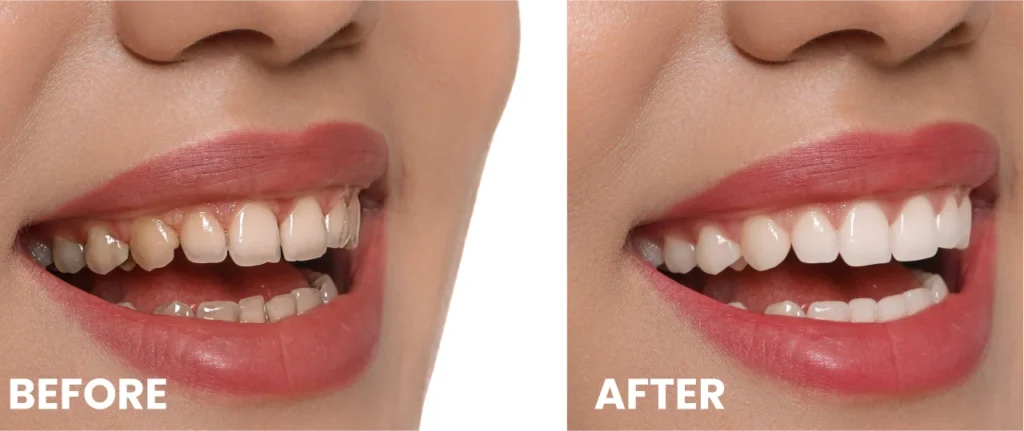
Dental bonding offers a quick, affordable solution for repairing chips, closing gaps, and improving tooth appearance in a single appointment. At Davis Dental Group in South Tacoma, we use high-quality tooth-colored composite resin to create natural-looking corrections that blend seamlessly with your smile. Most bonding procedures complete in 30-60 minutes per tooth, providing immediate results without the wait required for laboratory-fabricated restorations.
Quick Facts:
- Same-day results: Complete in one visit
- Painless: Usually no anesthesia needed
- Natural appearance: Color-matched to your teeth
- Versatile: Fixes multiple cosmetic issues
- Serving: South Tacoma, Graham, Roy, Spanaway, Frederickson, Eatonville, and JBLM families
What Is Dental Bonding?
Dental bonding is a cosmetic dentistry procedure where tooth-colored composite resin is applied directly to your tooth surface, sculpted to the desired shape, and hardened with a special curing light. According to the American Dental Association, bonding provides an effective, conservative treatment for minor cosmetic imperfections requiring minimal tooth alteration.
The composite material bonds chemically to your tooth structure, becoming an integrated part of your tooth. Bonding corrects chipped or cracked teeth, gaps between teeth (diastema), discolored teeth or stains, slightly misshapen teeth, exposed tooth roots from gum recession, and teeth that appear too short.
Unlike porcelain veneers that require two appointments and laboratory fabrication, bonding completes in a single visit. While not as durable or stain-resistant as porcelain, bonding provides excellent results for small to medium corrections at a fraction of the cost.
The Dental Bonding Process
Evaluation and Preparation
Your dentist examines the tooth and selects composite resin color that matches your natural teeth. Minimal preparation is needed—the tooth surface is slightly roughened with etching solution to help bonding material adhere. Most bonding requires no anesthesia since there's no drilling or pain.
Ready for Quick Smile Repair? Book Now
Application and Shaping
Your dentist applies the putty-like composite resin in layers, carefully sculpting it to the desired shape. For chips, they recreate missing tooth structure. For gaps, they add material to adjacent teeth. For discoloration, they cover stained areas with color-matched composite.
Curing and Finishing
Each layer is hardened using a blue curing light that takes just seconds. After all layers are applied and cured, your dentist shapes the bonding with specialized instruments, checks your bite, and polishes it to a smooth, glossy finish matching natural tooth enamel.
You see completed results immediately—the entire process takes 30-60 minutes per tooth.
Types of Dental Bonding Applications
Chip and Crack Repair
Bonding quickly repairs damaged teeth from accidents or injuries. The composite material fills missing pieces, recreating natural tooth contours. Research in the Journal of Adhesive Dentistry demonstrates excellent longevity for minor restorations.
Gap Closure
Bonding closes small to moderate gaps by adding composite to adjacent teeth. Works well for gaps under 3-4mm. Larger gaps may require porcelain veneers or orthodontics.
Covering Discoloration
Bonding covers intrinsic stains that don't respond to teeth whitening—tetracycline stains, fluorosis, or trauma discoloration.
Lengthening Worn Teeth
Grinding or acid erosion can shorten teeth. Bonding adds length and recreates natural contours. Requires nightguard if you grind teeth.
Other Applications
Bonding also covers exposed roots from gum recession and reshapes misshapen teeth for improved smile harmony.
Comparing Dental Bonding to Other Treatments
Bonding vs. Porcelain Veneers: Porcelain veneers are a longer-lasting solution that also resist staining better than bonding. Veneers typically require two appointments while bonding is completed same-day. Bonding is ideal for minor single-tooth corrections where a quick, conservative approach is the priority.
Bonding vs. Composite Veneers: Composite veneers are extensive bonding covering entire tooth fronts. Both use same material—difference is coverage extent.
Bonding vs. Tooth Reshaping: Tooth reshaping removes enamel while bonding adds material. Often combined for best results.
Bonding vs. Crowns: Crowns cover entire tooth and work for severely damaged teeth. Bonding preserves more tooth structure and suits primarily cosmetic needs.
Caring for Your Dental Bonding
Daily Care
Brush twice daily with non-abrasive toothpaste and floss once daily. The Centers for Disease Control and Prevention emphasizes proper oral hygiene for maintaining dental work. Minimize staining foods (coffee, tea, wine) and rinse with water after consuming them. Avoid tobacco products.
Protection
Don't bite hard objects (ice, hard candy, pens). Wear a custom nightguard if you grind teeth—grinding quickly destroys bonding. Use proper tools instead of teeth to open packages.
Professional Care
Schedule dental cleanings every six months. Regular exams allow early detection of wear or damage before major repairs are needed.
Maintenance
Bonding lasts 5-7 years typically. Small chips can be smoothed during checkups. Significant damage requires new bonding. Plan for eventual replacement as material wears or stains.
What Not to Do with Dental Bonding
Don't Bite Hard Objects: Avoid ice, hard candy, nutshells. Bonding is more fragile than natural teeth and chips easily.
Don't Ignore Grinding: If you grind teeth at night, get a custom nightguard immediately. Grinding destroys bonding quickly.
Don't Use Abrasive Toothpaste: Whitening toothpastes scratch bonding. Use regular or sensitivity toothpaste instead.
Don't Delay Repairs: Small chips are easily fixed. Waiting allows problems to worsen and bacteria to enter gaps.
Don't Expect Permanence: Bonding lasts 5-7 years, not forever. It gradually wears and stains, requiring eventual replacement.
Why Choose Davis Dental Group for Dental Bonding
- Advanced 3D Scanning Technology: Precise imaging for accurate treatment planning.
- Walk-Ins Welcome: Stop by our Tacoma office anytime — no appointment needed.
- Same-Day Consultations: Available when scheduling allows.
- Free Consultations: Expert guidance with no obligation.
- Comprehensive Care in One Location: From consultation to final treatment, all under one roof — no referrals needed
- Experienced Team:Dedicated to your comfort throughout treatment.